The Power of Satirical Protest Designs: How Humor Became a Weapon for Change
@8d2wapeada
October 7, 2026 · 8 min read
There is a moment in every protest when the chants grow hoarse and the signs start to droop. The energy that carried the crowd through the morning can fade, but something else can keep it alive: a well-placed joke. For decades, activists have understood that making people laugh can be as powerful as making them angry. Satirical protest designs have become a cornerstone of modern dissent, a way to puncture the pompous, the cruel, and the absurd with a single image or phrase. They are not just for laughs; they are a form of critique that can disarm, persuade, and unite.
I have been following this world for years, watching how a clever design can travel from a small print shop in a basement to a march of thousands. The best examples feel inevitable, as if the idea was always there waiting to be drawn. But creating effective satirical protest designs is harder than it looks. It requires a sharp understanding of the target, a feel for the audience, and a willingness to risk being misunderstood. When it works, it can change the conversation. When it fails, it can fall flat or even backfire. This essay explores how that balance is struck, and why the tradition continues to thrive.
From Political Cartoon to Street Art
The roots of satirical protest designs run deep. The political cartoon has been a staple of dissent for centuries, from the engravings of William Hogarth to the work of modern artists like Molly Crabapple, who blends reportage with sharp caricature. What changed in the late twentieth century was the scale and the medium. The rise of street art and pop art brought protest imagery out of the pages of newspapers and onto walls, shirts, and billboards.
Consider the Guerilla Girls, who have used bold, graphic posters to call out sexism and racism in the art world since the 1980s. Their work is a masterclass in simple, repeatable designs that carry a heavy punch. Or think of Shepard Fairey, whose Obey Giant campaign started as a sticker project and evolved into a global brand of ironic branding. Fairey understood early that a image could be both a piece of art and a tool for subversion. His work, along with that of Banksy, showed that satirical protest designs could be commercially viable without losing their edge.
Détournement and Culture Jamming
Behind many of the most effective satirical protest designs lies a technique called détournement, a French term that means to turn something back against itself. It involves taking an existing image or text, often from advertising or corporate logos, and altering it to reveal a hidden truth. This practice is also known as culture jamming, and it is central to movements like Adbusters, the magazine that helped spark the Occupy Wall Street protests with its iconic image of a ballerina dancing on the charging bull of Wall Street.
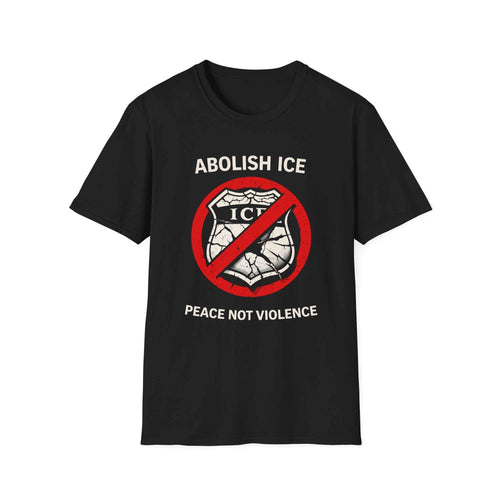
Subvertising is a related tactic. It means replacing or modifying billboards and advertisements with messages that critique the very system that funds them. Groups like The Yes Men have made a career out of this, creating fake corporate websites and posing as executives to expose hypocrisy. Their approach is deeply theatrical, but it relies on the same principle as any good sign pun: you have to know the original message well enough to twist it convincingly.
Satirical protest designs thrive on this kind of intellectual agility. They ask the viewer to recognize the source material and then laugh at its reversal. That shared moment of recognition is what makes the message stick. It is why a peace symbol drawn inside a target logo can feel like a revelation, or why a simple image of a t-shirt cannon firing question marks at a politician can capture the absurdity of a press conference.
The Fine Line Between Wit and Offense
Not every attempt at satirical protest designs succeeds. The line between clever and callous is thin, and crossing it can alienate the very people you want to reach. I have seen designs that were so aggressive they shut down conversation, or so obscure that only a handful of insiders understood the joke. The best satirical protest designs are generous. They invite people in, even those who might disagree with the message. They use humor as a bridge, not a wall.
Take the work of Ronin, a street artist known for his subversive takes on corporate mascots. His images often feature characters like Ronald McDonald in compromising situations, but the humor is not just shock value. It points to real issues like labor exploitation or environmental damage. The laughter comes from recognizing the absurd gap between the wholesome image and the ugly reality. That is the sweet spot.
Similarly, the anarcho-typo movement, which focuses on defacing public signage with typographic interventions, can be brilliant or baffling depending on execution. A well-placed sticker that reads "This is not a free speech zone" under a surveillance camera is a perfect example of sign puns at their best. It says more in ten words than a long essay could. But if the reference is too inside or the design too messy, it becomes noise.
Practical Tips for Creating Satirical Protest Designs
If you want to create your own satirical protest designs, start by observing. Look at the visual language of your target. Corporations and governments often use the same tricks: clean lines, bright colors, smiling faces. Learn to mimic that style so that your subversion feels seamless. Then identify the gap between what they say and what they do. That gap is your material.
Here are a few things I have learned from watching the best in the field:
- Keep it simple. A single strong image or a short line of text will travel further than a complicated composition. The most iconic designs in history, from the peace symbol to the Guerilla Girls' gorilla masks, are instantly readable.
- Know your audience. A joke that works in a coffee shop in Portland may not land at a rally in rural Texas. That does not mean you should avoid it, but you should understand who you are speaking to and what they already believe.
- Test the edge. Satirical protest designs should push boundaries, but they should not be cruel. The goal is to critique power, not to mock the vulnerable. If your design punches down, it is not protest; it is bullying.
These principles apply whether you are designing a t-shirt, a sticker, or a billboard liberation project. The medium changes, but the logic remains the same. A good design will be shared, repeated, and adapted. That is how movements grow.
The Future of Activist Apparel
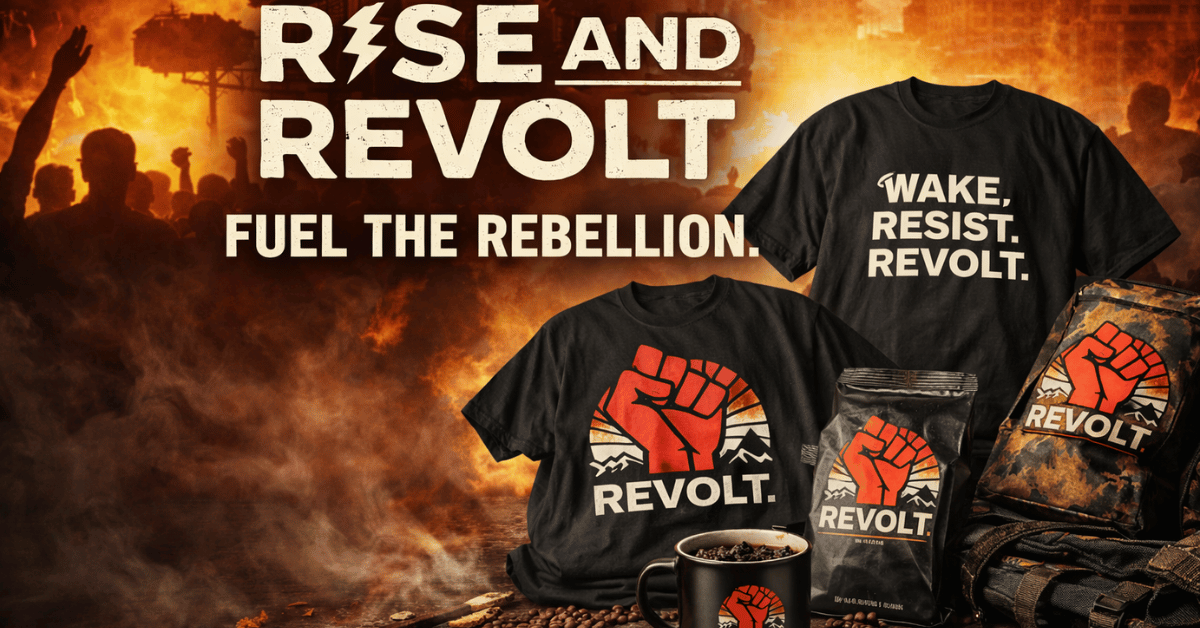
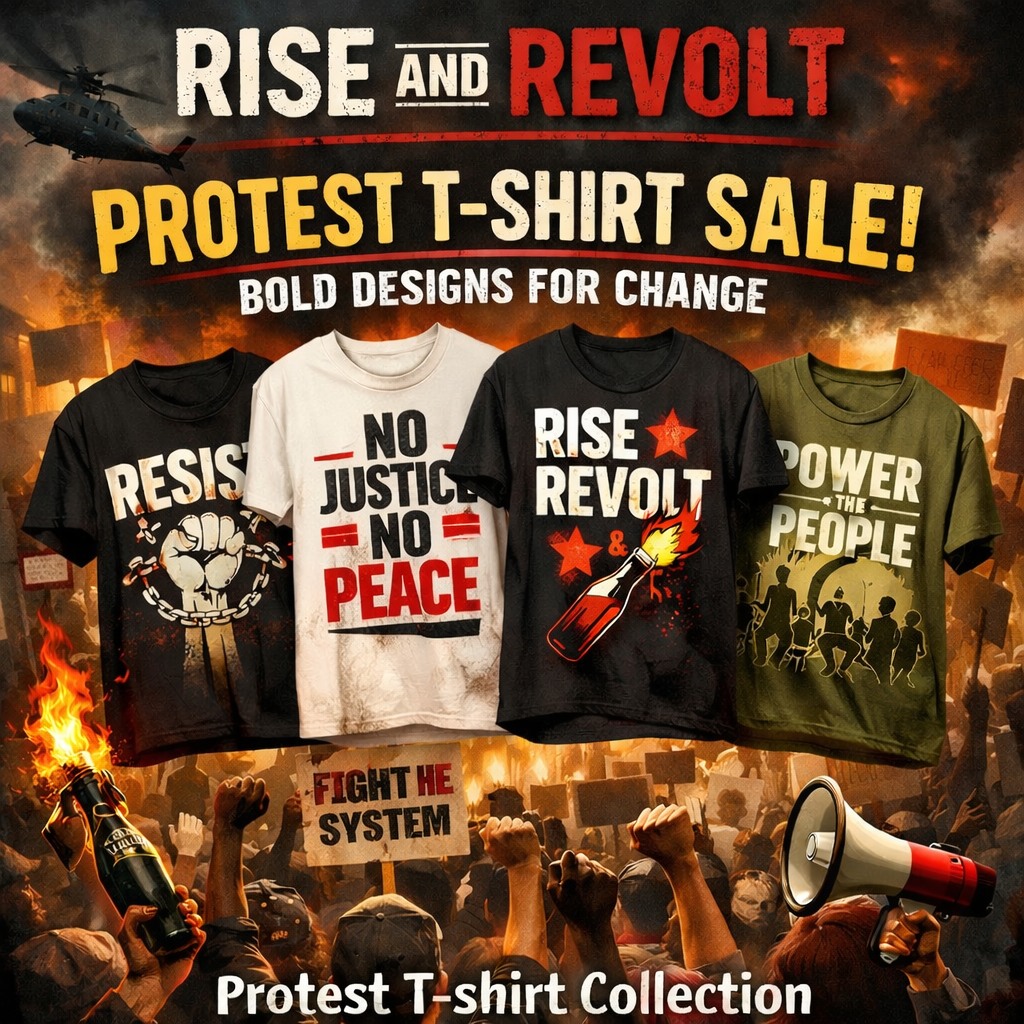
Wearable protest has a long history, from the suffragettes' white dresses to the Black Panther Party's leather jackets. Today, the t-shirt is the most common canvas for satirical protest designs. It is cheap, accessible, and visible. But the rise of fast fashion has also raised questions about the ethics of producing activist apparel. Some companies now print on demand to reduce waste, while others source organic cotton or donate a portion of profits to causes.
Satirical protest designs on clothing face a unique challenge: they are often worn by people who already agree with the message. The real power comes when someone outside the movement sees the shirt and asks about it. That moment of conversation is worth more than any slogan. A good design can start a dialogue between strangers, and that is where change begins.
I have also seen the limitations. A t-shirt is not a substitute for organizing, and a clever design will not stop a bad policy on its own. But it can build solidarity, raise morale, and signal that there is a community of people who care. In a world where so much activism happens online, a physical object like a shirt or a sticker can feel like a small act of defiance. It says, "I am here, and I am not afraid."
Why Satirical Protest Designs Matter Now
We live in an age of information overload. Every day, we are bombarded with messages from governments, corporations, and influencers. Satirical protest designs cut through that noise by making us stop and think. They use humor to disarm our defenses and then deliver a truth we might otherwise ignore. That is why they have persisted from the days of the political cartoon to the era of memes and street art.
The best satirical protest designs are not just funny; they are true. They reveal something about the world that we already suspected but could not articulate. They give us a frame for understanding power and resistance. Whether it is a Banksy mural on a wall in Gaza or a subvertising campaign by The Yes Men, the goal is the same: to use wit as a weapon against injustice.
In the end, making people laugh is not a distraction from the work. It is part of the work. It keeps us going when the news is grim and the road is long. And it reminds us that the people in power, no matter how serious they seem, are always vulnerable to a good joke. So keep drawing, keep printing, and keep wearing those designs. The revolution needs a sense of humor.